Asianart.com | Associations | Articles | Exhibitions | Galleries


Visitors' Forum

Asian Art  Forums - Detail List
Asian Art Forums

Message Listing by Date:
Message Index | Back | Post a New Message | Search | Private Mail | FAQ
Subject:is this statue chinese?
Posted By: Alex Fri, Oct 02, 2026 IP: 77.171.6.146

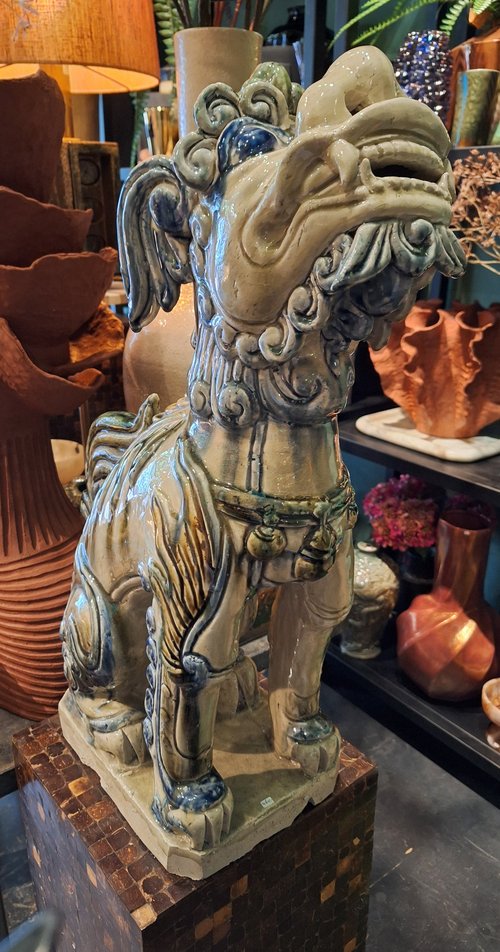
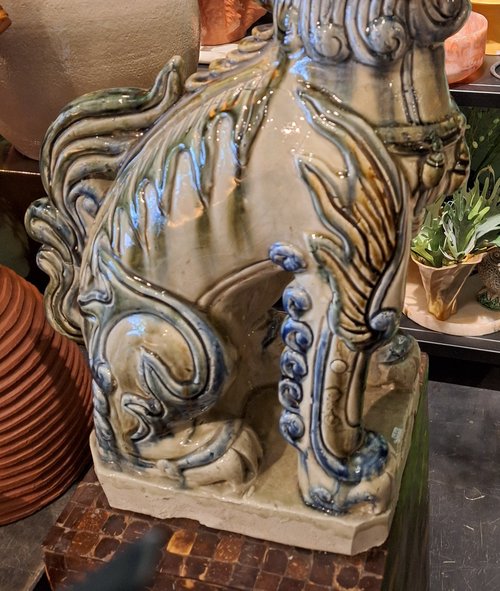
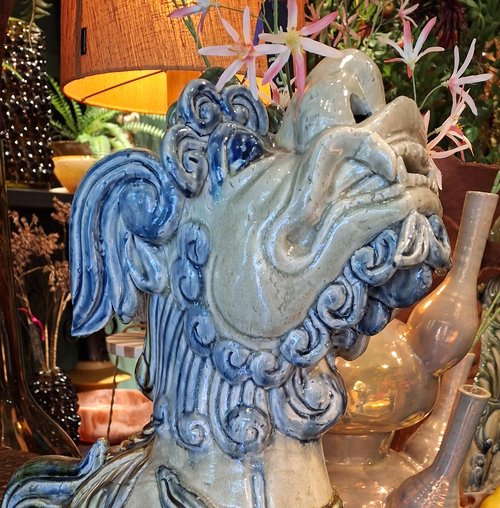
is this statue chinese? And how old is it?


Subject:Re: is this statue chinese?
Posted By: I.Nagy  Sat, Oct 03, 2026

The figure shown in the photo is a lion or auspicious beast, a traditional Chinese ceramic sculpture,
Ceramic sculptures of auspicious beasts featuring green/blue or yellow glazes are a style particularly common in temple designs, architectural decorations, and interior ornaments from the Ming and Qing dynasties (as well as in modern reproductions and pieces from folk kilns).

With regards,
I.Nagy

Subject:Re: is this statue chinese?
Posted By: Alex Sun, Oct 04, 2026

thank you mr. Nagy

Subject:Re: is this statue chinese?
Posted By: Alex Sun, Oct 04, 2026

Dear Mr. Nagy
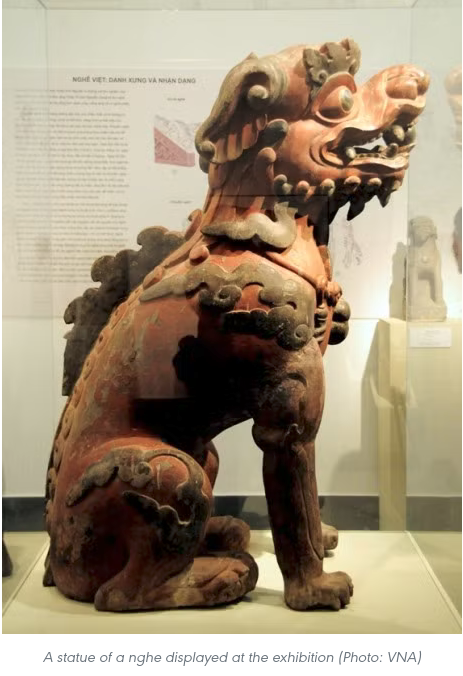
How do you tell the difference between a chinese temple dog and a vietnamese Nghe temple dog?


Subject:Re: is this statue chinese?
Posted By: I.Nagy Mon, Oct 05, 2026

Since I am not an expert on either Chinese or Vietnamese temple lion statues, I can only refer to general art-historical contexts.
The relationship between Vietnam and China spans over two millenia. Vietnam adopted many elements of Chinese civilisation, Confucianism,Buddhism,writing etc.
This period also had a profound influence on Vietnamese art, blending Chinese artistic traditions with local elements.
As for your question, Vietnam’s “Nghê” and China’s lion statues (Tang lions and stone lions) share a common mythical sacred beast modeled after lion.

Ref,
https://en.wikipedia.org/wiki/Ngh%C3%AA

With regards,
I.Nagy

Subject:Re: is this statue chinese?
Posted By: Alex Thu, Oct 08, 2026

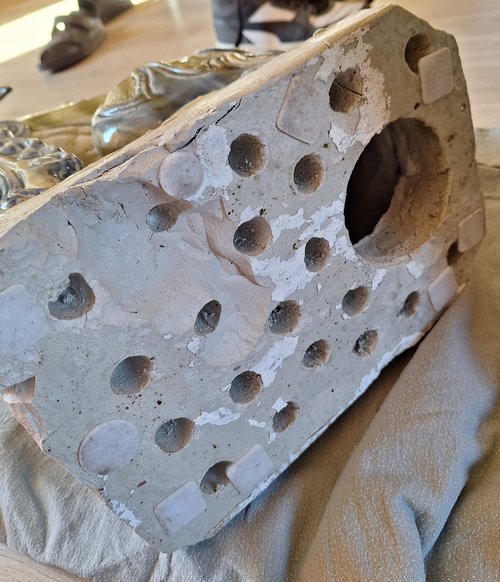
Dear Mr. Nagy, do you know how old the foo dogs could be judging by the underside?


Subject:Re: is this statue chinese?
Posted By: I.Nagy Sat, Oct 10, 2026

Traditional foo dog figures from earlier periods are almost always crafted with one or two holes to relieve internal pressure, or with a large hollowed-out section on the bottom. Types featuring numerous holes arranged in a regular or random pattern are more commonly found in the modern era, following the development of mass-production and molding techniques using plaster molds and the like.
Furthermore, the paint stains and the cement-like finish on the base suggest that this piece is not an antique fired in a traditional kiln, but rather a relatively new figure that has been colored or treated later, or one that resembles a display item intended for gardening or interior decoration.

Rather than being an old antique, it is highly likely to be an Asian export craft item or a replica made in a relatively modern era,

Regards,
I.Nagy


Asianart.com | Associations | Articles | Exhibitions | Galleries |