
Either/or
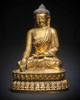
Google normally searches for pages that contain all the words you type in the search box, but if you want pages that have one term or another (or both), use the OR operator -- or use the "|" symbol (pipe symbol) to save you a keystroke. [standing | buddha]
Quotes
If you want to search for an exact phrase, use quotes. ["standing buddha"] will only find that exact phrase.
Not
If you don't want a term or phrase, use the "-" symbol. [-standing buddha statue] will return pages that contain "buddha" and "statue" but that don't contain "standing".
Similar terms
Use the "~" symbol to return similar terms. [~sitting bodhisattva -standing] will get you pages that contain "sitting boddhisattva", "sitting" and "bodhisattva" but not "standing boddhisattva".
Wildcard
The "*" symbol is a wildcard. This is useful if you're trying to find a phrase, but can't remember the exact phrase. [* of a standing Buddha] will return "Sculpture of a standing Buddha" or "Torso of a Standing Buddha".
|
|
 |
| Asian Art in London brings together leading international dealers and auction houses from the UK, Europe, USA and Asia. They specialise in a wide variety of ancient to modern Asian art, including Chinese, Japanese, Korean, Indian, Islamic and Middle Eastern, Himalayan and Central Asian, Southeast Asian. Asian Art in London focuses on galleries and auction houses in central London. |
|
On-line exhibition from October 04, 2026 |
|
|
Asianart.com presents a special on-line exhibition for the annual spring Asian Art week in New York City. Asia Week New York is a collaboration of top-tier Asian art specialists, major auction houses, and world-renowned museums and Asian cultural institutions. Asianart.com galleries are listed first, then other galleries and dealers. |
On-line exhibition from March 04, 2026 |
|
| Asian Art in London brings together leading international dealers and auction houses from the UK, Europe, USA and Asia. They specialise in a wide variety of ancient to modern Asian art, including Chinese, Japanese, Korean, Indian, Islamic and Middle Eastern, Himalayan and Central Asian, Southeast Asian. Asian Art in London focuses on galleries and auction houses in central London. |
|
On-line exhibition from October 10, 2025 |
|
|
Asianart.com presents a special on-line exhibition for the annual spring Asian Art week in New York City. Asia Week New York is a collaboration of top-tier Asian art specialists, major auction houses, and world-renowned museums and Asian cultural institutions. Asianart.com galleries are listed first, then other galleries and dealers. |
On-line exhibition from February 23, 2025 |
|
| Asian Art in London brings together leading international dealers and auction houses from the UK, Europe, USA and Asia. They specialise in a wide variety of ancient to modern Asian art, including Chinese, Japanese, Korean, Indian, Islamic and Middle Eastern, Himalayan and Central Asian, Southeast Asian. Asian Art in London focuses on galleries and auction houses in central London. |
|
On-line exhibition from September 30, 2024 |
|
|
Asianart.com presents a special on-line exhibition for the annual spring Asian Art week in New York City. Asia Week New York is a collaboration of top-tier Asian art specialists, major auction houses, and world-renowned museums and Asian cultural institutions. Asianart.com galleries are listed first, then other galleries and dealers. |
On-line exhibition from March 05, 2024 |
|
| Asian Art in London brings together leading international dealers and auction houses from the UK, Europe, USA and Asia. They specialise in a wide variety of ancient to modern Asian art, including Chinese, Japanese, Korean, Indian, Islamic and Middle Eastern, Himalayan and Central Asian, Southeast Asian. Asian Art in London focuses on galleries and auction houses in central London. |
|
On-line exhibition from September 21, 2023 |
|
|
Asianart.com presents a special on-line exhibition for the annual spring Asian Art week in New York City. Asia Week New York is a collaboration of top-tier Asian art specialists, major auction houses, and world-renowned museums and Asian cultural institutions. Asianart.com galleries are listed first, then other galleries and dealers. |
On-line exhibition from March 07, 2023 |
|
| Asian Art in London brings together leading international dealers and auction houses from the UK, Europe, USA and Asia. They specialise in a wide variety of ancient to modern Asian art, including Chinese, Japanese, Korean, Indian, Islamic and Middle Eastern, Himalayan and Central Asian, Southeast Asian. Asian Art in London focuses on galleries and auction houses in central London. |
|
On-line exhibition from October 02, 2022 |
|
Branching Out: Miwa Family and The Hagi Tradition | Kaneshige Family and The Bizen Tradition |
|
|
The widespread popularity and distinguished reputations that Japan's ancient ceramic traditions enjoy today are largely indebted to a core group of mid-twentieth century artistic visionaries: among them, Kaneshige Tōyō (1896-1967) for Bizen ware and Miwa Kyūwa (1895-1981) for Hagi ware. The exhibition celebrates the past, present, and future of these two prominent families synonymous with excellence in Branching Out: Miwa Family and The Hagi Tradition | Kaneshige Family and The Bizen Tradition. |
On-line exhibition from May 03, 2022 |
|
| Lying along the trade routes between India and China, island Southeast Asia has been a crossroads for merchants, pilgrims, and travelers from many parts of the world. Weaving Stories, a new exhibition exclusively at the Asian Art Museum of San Francisco, brings together more than 40 outstanding examples of textiles and garments from across Indonesia, as well as the Philippines and Malaysia, to consider how fabrics produced primarily by women, such as the ikats and batiks that have inspired global fashion for centuries, are woven not only into the daily lives but the cultural foundations of these communities. |
|
On-line exhibition from March 02, 2022 |
|
|
Asianart.com presents a special on-line exhibition for the annual spring Asian Art week in New York City. Asia Week New York is a collaboration of top-tier Asian art specialists, major auction houses, and world-renowned museums and Asian cultural institutions. Asianart.com galleries are listed first, then other galleries and dealers. |
On-line exhibition from February 26, 2022 |
|
| Likeness and Legacy in Korean Portraiture is an intimate yet powerful exhibition demonstrating the museum’s dedication to Korean art and its devotion to the vision of making Asian art and culture essential to everyone. Drawing a line from centuries of Confucian tradition to today’s selfieculture, Likeness and Legacy in Korean Portraiture presents exquisite traditional draft and finished paintings alongside innovative sculptures, mixed media, and paintings from recent decades. |
|
On-line exhibition from January 01, 2022 |
|
|
Asian Art in London brings together leading international dealers and auction houses from the UK, Europe, USA and Asia. They specialise in a wide variety of ancient to modern Asian art, including Chinese, Japanese, Korean, Indian, Islamic and Middle Eastern, Himalayan and Central Asian, Southeast Asian. Asian Art in London focuses on galleries and auction houses in central London. |
On-line exhibition from October 04, 2021 |
|
| Asianart.com presents a special on-line exhibition for the annual spring Asian Art week in New York City. Asia Week New York is a collaboration of top-tier Asian art specialists, major auction houses, and world-renowned museums and Asian cultural institutions. Asianart.com galleries are listed first, then other galleries and dealers. |
|
On-line exhibition from March 03, 2021 |
|
|
From 22nd October to 7th November, London's leading Asian art dealers, auction houses and academic and cultural institutions will unite to present an exciting programme of gallery receptions, auctions, lectures, symposia and museum exhibitions. Sample of the magnificent selection of Asian antiques from: India; Islam; China; Japan; the Himalayas and Korea, spanning some 5000 years of culture - including ceramics, furniture, glass, jade, jewellery, manuscripts, metalwork, paintings, screens, stone carvings and textiles. |
On-line exhibition from October 05, 2020 |
|
| Awaken: A Tibetan Buddhist Journey Toward Enlightenment, on view Jan. 17 – May 3, 2020, showcases how integral artistic endeavor is to Tibetan Buddhist spiritual practices, underscoring art's power to focus and refine our awareness. By immersing visitors in fantastic Buddhist landscapes of Tibetan Buddhism and introducing the enlightened beings that appear there, Awaken provides a taste of what awareness might be—if only we would wake up. |
|
On-line exhibition from March 23, 2020 |
|
|
Asianart.com presents a special on-line exhibition for the annual spring Asian Art week in New York City. Asia Week New York is a collaboration of top-tier Asian art specialists, major auction houses, and world-renowned museums and Asian cultural institutions. Asianart.com galleries are listed first, then other galleries and dealers. |
On-line exhibition from February 18, 2020 |
|
CHANGING AND UNCHANGING THINGS: Noguchi and Hasegawa in Postwar Japan |
|
| An exhibition of more than one hundred artworks that tell the story of an extraordinary friendship that helped shape the iconic midcentury aesthetic. In addition to Japanese American Isamu Noguchi's renowned paper Akari lamps and instantly recognizable stone, wood and metal sculptures, the exhibition reintroduces audiences to Japanese calligrapher, painter and philosopher Saburo Hasegawa, whose contributions to a range of international artistic movements, including the Beats in San Francisco, have largely been overlooked due to his early death in 1957. |
|
On-line exhibition from February 12, 2020 |
|
|
Chang Dai-chien: Painting from Heart to Hand showcases Chang's early genius in replicating ancient styles alongside his later accomplishment in expanding the possibilities of traditional ink art. It was during Chang's years living in Northern California in the 1960s and 70s that his distinctly original style matured. His paintings from this period synthesized a deep understanding of China's classical past with a keen observation of the natural world. |
On-line exhibition from February 03, 2020 |
|
| The traditional loci of contemporary art have shifted: the postmodern era has witnessed Paris, London, or New York yielding their exclusive status as art centres to other cities, one of which is Kathmandu. The works in the exhibition Nepal Art Now range from outstanding representatives of the 1950s through to today's nascent scene of vibrant new artists. As well contributing to an effective re-situating of the West's status within an international context, these works also offer insights into how the local, the national and the global interpenetrate. |
|
On-line exhibition from January 16, 2020 |
|
|
From 31st October to 9th November, London's leading Asian art dealers, auction houses and academic and cultural institutions will unite to present an exciting programme of gallery receptions, auctions, lectures, symposia and museum exhibitions. Sample of the magnificent selection of Asian antiques from: India; Islam; China; Japan; the Himalayas and Korea, spanning some 5000 years of culture - including ceramics, furniture, glass, jade, jewellery, manuscripts, metalwork, paintings, screens, stone carvings and textiles. |
On-line exhibition from October 08, 2019 |
|
| Tantric Buddhism has been the dominant form of Buddhism in Mongolia since the 16th century and all of the artworks featured in this exhibition reflect the Mongolian Tantric Buddhist tradition. Most of the artworks displayed here date from the 19th and early 20th centuries, when Tantric Buddhist culture was at its highest point in Mongolia. Many of the paintings, sculptures and other objects illustrated and discussed here were used in devotional rituals—including meditational deity rituals—by both ordained clerics and lay believers. |
|
On-line exhibition from September 05, 2019 |
|
|
In the West, Buddhism has often been romanticized as an unchanging passive tradition, but historically this was not the case. In Tibet, religion and politics were so intertwined as to be inseparable. For over a millennium Tibetan Buddhism was an active force in politics, both as a means to claim the right to rule and the magical means to take it. Faith and Empire brings together more than 60 remarkable works of art that illuminate the ways in which art and religion had a tremendous impact on politics in the courts of North Asia. |
On-line exhibition from June 29, 2019 |
|
| Bringing together leading Asian art dealers in the historical heart of Brussels - at the SABLON - for a series of gallery sales exhibitions and cultural activities. All artworks on sale will be vetted by a panel of international experts. The program includes conferences by specialists in Asian Art, in cooperation with museums and cultural institutions. |
|
On-line exhibition from May 19, 2019 |
|
|
My fascination with Bhaktapur began with my first visit in spring 1977. The city immediately charmed me with its brick streets, traditional buildings and temples, wonderful carvings in stone and wood everywhere, and a way of daily life strongly evocative of everything I had ever studied about Medieval Europe. I rented a house there in autumn, 1982 and stayed on until the end of 1987. Today I look back on that period as one of the best episodes of my life. |
On-line exhibition from April 21, 2019 |
|
| Asianart.com presents a special on-line exhibition for the annual spring Asian Art week in New York City. Asia Week New York is a collaboration of top-tier Asian art specialists, major auction houses, and world-renowned museums and Asian cultural institutions. Asianart.com galleries are listed first, then other galleries and dealers. |
|
On-line exhibition from February 26, 2019 |
|
|
The human form in art has always helped shape how we answer life’s biggest questions: Where do we come from? Why are we here? Who are we? What happens when we die? In response, the Asian Art Museum presented Divine Bodies, bringing together nearly 70 large-scale historical sculptures and paintings from Hindu and Buddhist traditions, along with contemporary photo-based work. In this feature on asianart.com, we present fifteen highlights from the Asian’s superb collection of Buddhist and Hindu art, which were included in this exhibition. |
On-line exhibition from November 15, 2018 |
|
| Painting Is My Everything: Art from India’s Mithila Region is an original exhibition at the Asian Art Museum featuring 30 large- scale contemporary works on paper from Bihar state, the subcontinent’s rural northeast. This will be the first major exhibition in more than a decade to explore how a previously private, age-old tradition of women’s domestic decoration has, since the 1960s, become a vibrant arts movement with a surprising social impact. A number of the Mithila paintings on view are newly acquired by the Asian Art Museum and have never been on display before. |
|
On-line exhibition from October 13, 2018 |
|
|
From 1st to 11th November, London's leading Asian art dealers, auction houses and academic and cultural institutions will unite to present an exciting programme of gallery receptions, auctions, lectures, symposia and museum exhibitions. Sample of the magnificent selection of Asian antiques from: India; Islam; China; Japan; the Himalayas and Korea, spanning some 5000 years of culture - including ceramics, furniture, glass, jade, jewellery, manuscripts, metalwork, paintings, screens, stone carvings and textiles. |
On-line exhibition from October 03, 2018 |
|
Parcours des Mondes 2018: Paris, France |
|
| Sept. 11 -16, 2018: Parcours des Mondes is the most important show of tribal art by quality and diversity of its participants. Over the past several years, Asian art specialists have again been included in the fair, where many international galleries join their colleagues in Paris in the Fine Arts neighborhood of St. Germain-des-Prés. Each gallery offers an intimate and personalized presentation of great masterpieces from Africa or Oceania, and now from Asia, ethnographic works of more affordable price, and other pieces sought after by collectors. |
|
On-line exhibition from August 22, 2018 |
|
|
Based on the model of Asia Week New York and Asian Art in London, this new event will be articulated around a common calendar of exhibitions and auctions. This annual week will allow collectors and amateurs to discover some of the most exciting pieces available on the market. The ambition of the Printemps Asiatique Paris is to assert the importance of the Asian art market in France, especially in the capital. |
On-line exhibition from May 21, 2018 |
|
| Bringing together leading Asian art dealers in the historical heart of Brussels - at the SABLON - for a series of gallery sales exhibitions and cultural activities. All artworks on sale will be vetted by a panel of international experts. The program includes conferences by specialists in Asian Art, in cooperation with museums and cultural institutions. |
|
On-line exhibition from May 07, 2018 |
|
|
Asianart.com presents a special on-line exhibition for the annual spring Asian Art week in New York City. Asia Week New York is a collaboration of top-tier Asian art specialists, major auction houses, and world-renowned museums and Asian cultural institutions. Asianart.com galleries are listed first, then other galleries and dealers. |
On-line exhibition from February 14, 2018 |
|
| The single most potent symbol of Buddhist ritual as performed in Nepal is the Vajracarya priest's crown. Five examples presented in this exhibition create a cosmic field into which viewers enter, encircled by paintings of ritual performance. The exhibition is occasioned by the recent acquisition of a superb early Vajracarya crown dating to the 13th or early 14th century; this is joined by an 18th-century crown already in the collection and two others recently discovered in the Department of Arms and Armor. Bronze and wooden ritual utensils, Nepalese cloth paintings, and archival photographs of ritual enactment complete the exhibition. |
|
On-line exhibition from February 01, 2018 |
|
|
Paul Walter (1935-2017) was a prodigious collector of all kinds of fine art, with a special emphasis on the arts of Asia, as was chronicled in Dr. Pratapaditya Pal's affectionate memorial, Paul Walter: Personal Memories. He was also, as Dr. Pal described, an extraordinarily generous donor. This on-line exhibition is designed as an extension of Dr. Pal's article, where we show a few of the many donations of Asian works of art donated by Paul Walter to several of the great museums of the United States. |
On-line exhibition from January 25, 2018 |
|
| “Centuries of Opulence: Jewels of India” features 50 lavish, historical jewelry pieces on loan from a private collection that have rarely been seen in public. Showcasing more than 300 years of adornment in India, the exhibit explores the original sources of the diamonds, rubies, emeralds, sapphires and other gems decorating these pieces, their religious and cultural symbolism, the wars fought for them and the historical tradition of gemology - the study of gems - in India. |
|
On-line exhibition from October 27, 2017 |
|
|
From 2nd November to 11th November, London's leading Asian art dealers, auction houses and academic and cultural institutions will unite to present an exciting programme of gallery receptions, auctions, lectures, symposia and museum exhibitions. Sample of the magnificent selection of Asian antiques from: India; Islam; China; Japan; the Himalayas and Korea, spanning some 5000 years of culture - including ceramics, furniture, glass, jade, jewellery, manuscripts, metalwork, paintings, screens, stone carvings and textiles. |
On-line exhibition from September 22, 2017 |
|
Parcours des Mondes 2017: Paris, France |
|
| Sept. 12 -17, 2017: Parcours des Mondes is the most important show of tribal art by quality and diversity of its participants. Over the past several years, Asian art specialists have again been included in the fair, where many international galleries join their colleagues in Paris in the Fine Arts neighborhood of St. Germain-des-Prés. Each gallery offers an intimate and personalized presentation of great masterpieces from Africa or Oceania, and now from Asia, ethnographic works of more affordable price, and other pieces sought after by collectors. |
|
On-line exhibition from August 07, 2017 |
|
Giuseppe Tucci's Tibet: Photographs from the 1930s expeditions |
|
 |
Giuseppe Tucci was the most illustrious Italian scholar of Tibetan art and religion. Between 1928 and 1956 Tucci made eight expeditions to Tibet and six to Nepal, translated the fundamental religious texts of Tibetan Buddhism, and in 1957 founded the Museo Nazionale di Arte Orientale in Rome. The exhibition presents 20 black-and-white photographs taken in the 1930s during his exploration trips to Ladakh (India) and Tibet. These images show the majestic landscapes of the “Roof of the World” but also the fascination of centuries-old customs. |
On-line exhibition from May 15, 2017 |
|
Indian Art “Auditions” in Hollywood: Hollywood Donors to the Los Angeles County Museum |
|
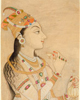
Dr. Pratapaditya Pal's article Indian Art “Auditions” in Hollywood chronicles his experience with several illustrious Hollywood personalities, who eventually become generous and important donors to the collections of the Los Angeles County Museum of Art (LACMA) where Dr. Pal served as Curator of Indian and Southeast Asian Art, and occasionally as Director. This on-line only exhibition serves as a visual record of some of the donations of four of the most generous of these Hollywood donors: Phil Berg, Michael Phillips, Michael Douglas and James Coburn. |
 |
On-line exhibition from May 11, 2017 |
|
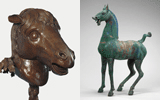 |
Two important exhibitions will soon be displayed at the Ringling Museum in Sarasota, Florida, one – Eternal Offerings – in the Searing Wing of the Museum of Art, opposite the recently opened Center for Asian Art at the Ringling Museum, while the other – Ai Weiwei’s Zodiac Heads – will be installed on the museum grounds. The Center for Asian Art in the Dr. Helga Wall-Apelt Gallery is a state-of-the-art facility for the display, conservation and storage of Asian Art, and is a wonderful recent addition to the Asian art scene in the United States. |
On-line exhibition from April 26, 2017 |
|
Asianart.com presents a special on-line exhibition for the annual spring Asian Art week in New York City. Asia Week New York is a collaboration of top-tier Asian art specialists, major auction houses, and world-renowned museums and Asian cultural institutions. Asianart.com galleries are listed first, then other galleries and dealers. |
 |
On-line exhibition from February 01, 2017 |
|
|
The Rama Epic — organized by the Asian Art Museum of San Francisco — is unprecedented in scale and scope, with 135 sculptures and paintings, masks, puppets, and examples of temple architecture. Objects and artworks originate from India, Myanmar, Cambodia, Thailand and Indonesia, and are borrowed from museums across the U.S., U.K. and Europe. Drawing Rama highlights modern interpretations of the epic from five Bay Area illustrators. The exhibition is reviewed by Gary Gach. |
On-line exhibition from November 28, 2016 |
|
From 3rd November to 12th November, London's leading Asian art dealers, auction houses and academic and cultural institutions will unite to present an exciting programme of gallery receptions, auctions, lectures, symposia and museum exhibitions. Sample of the magnificent selection of Asian antiques from: India; Islam; China; Japan; the Himalayas and Korea, spanning some 5000 years of culture - including ceramics, furniture, glass, jade, jewellery, manuscripts, metalwork, paintings, screens, stone carvings and textiles. |
 |
On-line exhibition from October 06, 2016 |
|
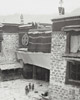 |
Bringing together over 50 works of art and photographs from the Rubin Museum collection as well as public and private collections across Europe and North America, Monumental Lhasa revives one of the original functions of these images—to transmit the holy city of Lhasa and other sacred sites to a remote audience. Spanning art that ranges from pilgrimage maps to photo albums, the exhibition explores how images contribute to the iconic character, familiarity, and power of important landmarks. |
On-line exhibition from September 05, 2016 |
|
Parcours des Mondes 2016: Paris, France |
|
| Sept. 6 -11, 2016: Parcours des Mondes is the most important show of tribal art by quality and diversity of its participants. Over the past several years, Asian art specialists have again been included in the fair, where many international galleries join their colleagues in Paris in the Fine Arts neighborhood of St. Germain-des-Prés. Each gallery offers an intimate and personalized presentation of great masterpieces from Africa or Oceania, and now from Asia, ethnographic works of more affordable price, and other pieces sought after by collectors. |
|
On-line exhibition from August 01, 2016 |
|
 |
Bringing together leading Asian art dealers in the historical heart of Brussels - at the SABLON - for a series of gallery sales exhibitions and cultural activities. All artworks on sale will be vetted by a panel of international experts. The program includes conferences by specialists in Asian Art, in cooperation with museums and cultural institutions. |
On-line exhibition from May 16, 2016 |
|
"Nepalese Seasons: Rain and Ritual" illuminates the deep interconnection between the natural environment, cultural traditions, and people of Nepal's Kathmandu Valley, as expressed through more than 50 works of art in the exhibition. Nepal, situated on the southern slope of the Himalayas, is dependent on monsoon rain, and "Nepalese Seasons" is the first exhibition of its kind dedicated to exploring Nepalese works of art in the context of the seasons and related rituals. |
 |
On-line exhibition from May 06, 2016 |
|
Puja and Piety: Hindu, Jain, and Buddhist Art from the Indian Subcontinent |
|
 |
Puja and Piety celebrates the complexity of South Asian representation and iconography by examining the relationship between aesthetic expression and the devotional practice, or puja, in the three native religions of the Indian subcontinent. Drawn from SBMA's collection and augmented by loans, the exhibition presents some 160 objects of diverse medium created over the past two millennia for temples, home worship, festivals, and roadside shrines. |
On-line exhibition from April 17, 2016 |
|
In 1966, Chicago businessman Avery Brundage donated his precious collection of 8,000 Asian artworks to the city of San Francisco. Now forming the core of San Francisco's Asian Art Museum, the art remains timeless, while the Museum continues to catch new lights and cast new shadows. To kick off the 50th anniversary of the Asian Museum has mounted a triple-header to bridge numerous realms, East and West. |
 |
On-line exhibition from April 17, 2016 |
|
Pearls on a String: Artists, Patrons, and Poets at the Great Islamic Courts |
|
 |
In the cosmopolitan Islamic world of the 16th through 18th centuries, the exciting global exchange of people, ideas and technologies resulted in an atmosphere ripe for innovation. From February 26–May 8, 2016, the Asian Art Museum of San Francisco presents Pearls on a String: Artists, Patrons, and Poets at the Great Islamic Courts, an exhibition telling the personal stories of three creative individuals who flourished within these stimulating societies. |
On-line exhibition from April 17, 2016 |
|
Bringing together for the first time two extremely rare 400-year-old maps that are the product of early interactions between European and Chinese scholars. In the late 16th century, Jesuit missionaries traveled to China, where they learned about Chinese culture and shared scientific knowledge with their hosts. China at the Center presents two maps that were the result of this cross-cultural exchange: A Complete Map of the Ten Thousand Countries of the World and A Complete Map of the World. |
 |
On-line exhibition from April 17, 2016 |
|
 |
Hidden Gold: Mining Its Meaning in Asian Art presents approximately 50 artworks that feature gold in a variety of artistic contexts. Spanning 1,500 years of history and diverse Asian cultures, the exhibition investigates the universal regard for this precious metal and the unique physical and symbolic aspects that make it suitable for so many artistic purposes. |
On-line exhibition from April 17, 2016 |
|
Asianart.com presents a special on-line exhibition for the annual spring Asian Art week in New York City. Asia Week New York is a collaboration of top-tier Asian art specialists, major auction houses, and world-renowned museums and Asian cultural institutions. Asianart.com galleries are listed first, then other galleries and dealers. |
 |
On-line exhibition from February 23, 2016 |
|
 |
From 5th November to 14th November, London's leading Asian art dealers, auction houses and academic and cultural institutions will unite to present an exciting programme of gallery receptions, auctions, lectures, symposia and museum exhibitions. Sample of the magnificent selection of Asian antiques from: India; Islam; China; Japan; the Himalayas and Korea, spanning some 5000 years of culture - including ceramics, furniture, glass, jade, jewellery, manuscripts, metalwork, paintings, screens, stone carvings and textiles. |
On-line exhibition from October 05, 2015 |
|
The Asian Art Museum—well known for its vast collection of Asian art antiquities—unveils highlights and recent acquisitions in Asian Art Museum's expanding collection of contemporary art with its second of two contemporary art exhibitions, this one featuring highlights of its contemporary art collection acquired over the past 15 years. Some of the museum's most exciting additions in First Look: Collecting Contemporary at the Asian. |
 |
On-line exhibition from August 24, 2015 |
|
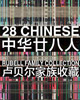 |
28 Chinese offers glimpses of Chinese contemporary art through the works of 28 artists, ranging from those new to the spotlight like Liu Wei, He Xiangyu and Xu Zhen to the internationally acclaimed Zhang Huan and Ai Weiwei. These artists have made a significant impact on the art world and expanded definitions of Chinese contemporary art. 28 Chinese is the culmination of more than a decade's worth of exploration and research by art collectors Don and Mera Rubell. |
On-line exhibition from July 07, 2015 |
|
Seduction: Japan's Floating World presented by the Asian Art Museum, San Francisco in February and May of 2015, transports viewers to the popular and enticing entertainment districts established in Edo (present-day Tokyo) in the mid-1600s. Through more than 50 artworks from the acclaimed John C. Weber Collection, visitors can encounter the alluring realm known as the "floating world," notably its famed pleasure quarter, the Yoshiwara. |
 |
On-line exhibition from June 30, 2015 |
|
 |
San Francisco art collector Edwin Grabhorn (1889–1968) brought a unique perspective to his search for fine Japanese woodblock prints. Serving as co-founder of Grabhorn Press, a printing firm based in the city, he was acutely attuned to the technical side of printmaking. On Feb. 20, 2015 the public got a rare chance to appreciate Grabhorn's skill as a collector when the Asian Art Museum unveiled The Printer's Eye: Ukiyo-e from the Grabhorn Collection, an original exhibition showcasing 88 superb prints acquired by the museum in 2005. |
On-line exhibition from June 24, 2015 |
|
Bringing together leading Asian art dealers in the historical heart of Brussels - at the SABLON - for a series of gallery sales exhibitions and cultural activities. All artworks on sale will be vetted by a panel of international experts. The program includes conferences by specialists in Asian Art, in cooperation with museums and cultural institutions. |
 |
On-line exhibition from June 06, 2015 |
|
 |
Asianart.com presents a special on-line exhibition for the annual spring Asian Art week in New York City. Asia Week New York is a collaboration of top-tier Asian art specialists, major auction houses, and world-renowned museums and Asian cultural institutions. Asianart.com galleries are listed first, then other galleries and dealers. |
On-line exhibition from February 11, 2015 |
|
Tibetan religious paintings (thangka), illuminated manuscripts, temple and monastic furniture, and detailed murals frequently depict myriad ritual objects and symbolic offerings to the protective deities in Buddhism known as the dharmapala, who are believed to defend and foster the religion. These evocative works of art were created for use during ceremonies performed primarily to obtain mundane blessings, such as to attain wealth or avert calamities, or to overcome negative spiritual forces hindering enlightenment. |
 |
On-line exhibition from November 14, 2014 |
|
 |
From 30th October to 8th November, London's leading Asian art dealers, auction houses and academic and cultural institutions will unite to present an exciting programme of gallery receptions, auctions, lectures, symposia and museum exhibitions. Sample of the magnificent selection of Asian antiques from: India; Islam; China; Japan; the Himalayas and Korea, spanning some 5000 years of culture - including ceramics, furniture, glass, jade, jewellery, manuscripts, metalwork, paintings, screens, stone carvings and textiles. |
On-line exhibition from September 26, 2014 |
|
Bringing together leading Asian art dealers in the historical heart of Brussels - at the SABLON - for a series of gallery sales exhibitions and cultural activities. All artworks on sale will be vetted by a panel of international experts. The program includes conferences by specialists in Asian Art, in cooperation with museums and cultural institutions. |
 |
On-line exhibition from May 27, 2014 |
|
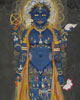 |
The Asian Art Museum presents Yoga: The Art of Transformation, the first major art exhibition to explore yoga and its historical transformation over the past 2,500 years through more than 130 rare and compelling artworks. The exhibition debuted in the Sackler Gallery of the Smithsonian Institution in Washington DC, where it was on view from October 19, 2013 – January 26, 2014. |
On-line exhibition from April 10, 2014 |
|
Asianart.com presents a special on-line exhibition for the annual spring Asian Art week in New York City. Asia Week New York is a collaboration of top-tier Asian art specialists, major auction houses, and world-renowned museums and Asian cultural institutions. Asianart.com galleries are listed first, then other galleries and dealers. |
 |
On-line exhibition from March 04, 2014 |
|
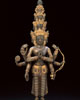 |
In the Land of Snow is Norton Simon Museum's first large-scale exhibition of Himalayan Buddhist art, bringing together exceptional Indian, Nepalese and Tibetan Buddhist sculptures along with significant thangka (flat field) paintings from throughout the Himalayan region. Almost all of the Museum's thangkas are on display for this special occasion, in addition to a number of generous loans. |
On-line exhibition from February 14, 2014 |
|
From 31st October to 9th November, London's leading Asian art dealers, auction houses and academic and cultural institutions will unite to present an exciting programme of gallery receptions, auctions, lectures, symposia and museum exhibitions. Sample of the magnificent selection of Asian antiques from: India; Islam; China; Japan; the Himalayas and Korea, spanning some 5000 years of culture - including ceramics, furniture, glass, jade, jewellery, manuscripts, metalwork, paintings, screens, stone carvings and textiles. |
 |
On-line exhibition from October 08, 2013 |
|
 |
Bringing together leading Asian art dealers in the historical heart of Brussels - at the SABLON - for a series of gallery sales exhibitions and cultural activities. All artworks on sale will be vetted by a panel of international experts. The program includes conferences by specialists in Asian Art, in cooperation with museums and cultural institutions. |
On-line exhibition from May 27, 2013 |
|
Asianart.com presents a special on-line exhibition for the annual spring Asian Art week in New York City. Asia Week New York is a collaboration of top-tier Asian art specialists, major auction houses, and world-renowned museums and Asian cultural institutions. Asianart.com galleries are listed first, then other galleries and dealers. |
 |
On-line exhibition from February 28, 2013 |
|
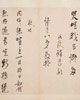 |
Out of Character: Decoding Chinese Calligraphy is a compelling exhibition examining the complexities of this time-honored art form through 40 calligraphies—including 15 noted masterworks, many on public view for the first time—all borrowed from the significant collection of Bay Area entrepreneur Jerry Yang. The calligraphies are supplemented with three major abstract expressionist paintings, plus a newly commissioned video installation by acclaimed international contemporary artist Xu Bing. |
On-line exhibition from February 05, 2013 |
|
From 1st to 10th November, London's leading Asian art dealers, auction houses and academic and cultural institutions will unite to present an exciting programme of gallery receptions, auctions, lectures, symposia and museum exhibitions. Sample of the magnificent selection of Asian antiques from: India; Islam; China; Japan; the Himalayas and Korea, spanning some 5000 years of culture - including ceramics, furniture, glass, jade, jewellery, manuscripts, metalwork, paintings, screens, stone carvings and textiles. |
 |
On-line exhibition from October 09, 2012 |
|
 |
The 8th BRUSSELS ORIENTAL ART FAIR, B.O.A.Fair asbl, June 6th - 10th, 2012, an event created by international specialists in Oriental Art. The aim of the galleries subscribing to the event is to share their knowledge with the visitors and to promote the understanding of Oriental Art. |
On-line exhibition from May 18, 2012 |
|
Asianart.com presents a special on-line exhibition for the annual spring Asian Art week in New York City, featuring items from the Arts of Pacific Asia Show exhibitors and other dealers and galleries taking part in the events of Asia Week New York. |
 |
On-line exhibition from February 17, 2012 |
|
 |
The Asian Art Museum opens its doors to the dazzling world of India's legendary maharajas with the U.S. premiere of MAHARAJA: The Splendor of India's Royal Courts. The exhibition, organized by the Victoria and Albert Museum, London, presents nearly 200 important artworks pertaining to the intriguing world of India's rulers over three centuries. Maharaja is the first exhibition to explore comprehensively the world of the maharajas and their unique culture of artistic patronage. |
On-line exhibition from February 09, 2012 |
|
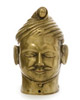
The lingam signs the presence of the invisible, transcendental Shiva, the Hindu god of destruction. But in reality it combines the three functions of creation, defence and destruction. The term indicates an emblem, a symbol of Shiva, sign of the male sex: the phallus. The end of the eighteenth century witnessed the widespread custom of superimposing a metal - brass, bronze - cover on these symbols, bearing a representation of the god's features: the mukhalinga. |
 |
On-line exhibition from October 31, 2011 |
|
 |
From 3rd to 12th November, London's leading Asian art dealers, auction houses and academic and cultural institutions will unite to present an exciting programme of gallery receptions, auctions, lectures, symposia and museum exhibitions. Sample of the magnificent selection of Asian antiques from: India; Islam; China; Japan; the Himalayas and Korea, spanning some 5000 years of culture - including ceramics, furniture, glass, jade, jewellery, manuscripts, metalwork, paintings, screens, stone carvings and textiles. |
On-line exhibition from October 13, 2011 |
|
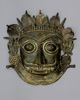
The Sanskrit word bhuta, meaning “passed away” or “spirit”, refers to the ancestral cult which is still actively practiced in the Tulu Nadu region (South coastal Karnataka, India). In contrast to religions in which unanimated idols are worshipped, bhuta ceremonies or bhuta kola are characterized by the interaction between the audience and the oracle who receives the invoked spirit. Through the voice of this oracle, the bhuta answers practical questions, solves quarrels and thus acts as a judge whose word cannot be discussed. |
 |
On-line exhibition from August 04, 2011 |
|
 |
Bali: Art, Ritual, Performance brings the art and artists of Bali to San Francisco, introducing museum visitors to Balinese history and religious beliefs, and illuminating the ways that performance and rituals are integrated into daily life. From woven palm-leaf images of the rice goddess to terrifying wood sculptures of Hindu deities, from gilded chairs for kings to painted palanquins for the gods, from offerings made for family shrines to masks carved for foreign tourists, this close examination of Balinese art includes some 130 diverse artworks. |
On-line exhibition from June 22, 2011 |
|
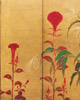
An ideal combination of function and beauty, Japanese folding screens, or byōbu ("wind wall"), have inspired generations of artists to create career-defining masterpieces; indeed, screens represent some of the highest accomplishments of Japanese painting. |
 |
On-line exhibition from May 19, 2011 |
|
 |
The 7th BRUSSELS ORIENTAL ART FAIR, B.O.A.Fair asbl, June 8th - 12th, 2011, an event created by international specialists in Oriental Art. The aim of the galleries subscribing to the event is to share their knowledge with the visitors and to promote the understanding of Oriental Art. |
On-line exhibition from May 11, 2011 |
|
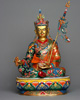
Living Treasures of Nepal: Masters of Ancient Techniques in a Modern World |
|
Co-curated by renowned American metal smith and artist Barbara Cook and KSU Professor of Visual Arts Lin Hightower this exhibition highlights the efforts of a group of progressive artisans of Nepal whose works preserve the ancient techniques of master Nepali stonecutters, wood carvers and painters. |
 |
On-line exhibition from March 17, 2011 |
|
 |
Asianart.com presents a special on-line exhibition for the annual spring Asian Art week in New York City, featuring items from the Arts of Pacific Asia Show exhibitors and other dealers and galleries taking part in the events of Asia Week New York. |
On-line exhibition from February 25, 2011 |
|
Buddhist Sculptures in Tibet, presented by Ulrich von Schroeder, contains 527 digital photographs including the 108 sculptures excerpted from his monumental 2 - volume work of the same title and presented in 108 Buddhist Statues in Tibet, plus 419 of the most important sculptures in the Jokhang in Lhasa. These photographs can be downloaded free of charge by anyone. |
 |
On-line exhibition from December 07, 2010 |
|
 |
Luigi Fieni’s bond with this continent was born thanks to restoration, his main profession, which led him so far from his country, Italy. By chance, or maybe Karma is the word that should be used, what should have been a couple of months project of conservation in Nepal, turned to be his multi-year experience in the Himalayas as a conservator. |
On-line exhibition from October 13, 2010 |
|
From 4th to 13th November, London's leading Asian art dealers, auction houses and academic and cultural institutions will unite to present an exciting programme of gallery receptions, auctions, lectures, symposia and museum exhibitions. Sample of the magnificent selection of Asian antiques from: India; Islam; China; Japan; the Himalayas and Korea, spanning some 5000 years of culture - including ceramics, furniture, glass, jade, jewellery, manuscripts, metalwork, paintings, screens, stone carvings and textiles. |
 |
On-line exhibition from October 04, 2010 |
|
 |
Tradition Transformed: Tibetan Artists Respond—the first exhibition of contemporary Tibetan art presented in a New York City museum—features nine artists who grapple with these very issues of cultural and artistic negotiation and who work with traditional forms in innovative ways. |
On-line exhibition from June 09, 2010 |
|
The 6th BRUSSELS ORIENTAL ART FAIR, B.O.A.Fair asbl, June 9th to June 13th 2010, an event created by international specialists in Oriental Art. The aim of the galleries subscribing to the event is to share their knowledge with the visitors and to promote the understanding of Oriental Art. |
 |
On-line exhibition from May 28, 2010 |
|
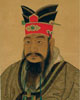 |
This landmark exhibition on the extraordinary philosopher, statesman and teacher known as Confucius at China Institute focuses on the teachings and continuing influence of Confucius, who has become increasingly synonymous with Chinese culture. Nearly 100 objects from the world of Confucius and his ennobled descendants are exhibited, including hanging scrolls, album leaves, bronze vessels, stone carvings, jade ceremonial implements, wood-block prints and textiles. |
On-line exhibition from April 08, 2010 |
|
Asianart.com presents a special on-line exhibition for the annual spring Asian Art week in New York City, featuring items from the Arts of Pacific Asia Show exhibitors and other dealers and galleries taking part in the events of Asia Week New York. |
 |
On-line exhibition from March 17, 2010 |
|
| Tracing the Past, Drawing the Future: Master Ink Painters in 20th-Century China | |
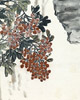 |
This landmark exhibition illuminates a turning point in the development of Chinese ink painting during the 20th century. Drawing upon paintings and calligraphy on loan from Chinese collections new to American audiences, the exhibition highlights the monumental portraits, vibrant bird-and-flower painting and spectacular landscapes by Wu Changshuo (1844-1927), Qi Baishi (1864-1957), Huang Binhong (1865-1955) and Pan Tianshou (1897-1971). |
On-line exhibition from February 03, 2010 |
|
The first exhibition of its kind to use a systematic approach to present artworks from this region and period. The exhibition features more than 140 artworks drawn exclusively from Asian Art Museum, San Francisco’s collection. All works here are from the Museum’s own collection, two-thirds a premiere of acquisitions donated from Doris Duke’s personal collection. |
 |
On-line exhibition from December 09, 2009 |
|
The Ring of Fire: contemporary works of Southeast Asian ceramic artists |
|
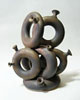 |
Sixteen Filipino potters and ten other Southeast Asian ceramic artists exhibited their works at the Ayala Museum from September 21 to October 4, 2009. This convergence of ASEAN potters was the first of its kind in the Philippines. The display of sixty-four works by the master potters in the region attested to the intensity, passion, and peculiar identity of ASEAN ceramic artists. |
On-line exhibition from November 16, 2009 |
|
From 29th October to 7th November, London's leading Asian art dealers, auction houses and academic and cultural institutions will unite to present an exciting programme of gallery receptions, auctions, lectures, symposia and museum exhibitions. Sample of the magnificent selection of Asian antiques from: India; Islam; China; Japan; the Himalayas and Korea, spanning some 5000 years of culture - including ceramics, furniture, glass, jade, jewellery, manuscripts, metalwork, paintings, screens, stone carvings and textiles. |
|
On-line exhibition from October 18, 2009 |
|
Lungta - The Windhorse; A Painting Exhibition by Maureen Drdak |
|
 |
Visual artist Maureen Drdak trekked to the remote and restricted region of Lo Monthang in 2008 in the company of American composer Andrea Clearfield for the purposes of an artistic collaborative commissioned by the Network for New Music. The result was Lungta-The Windhorse, an interdisciplinary work comprising three monumental paintings-the Lungta Triptych, a new chamberwork by Clearfield, and original choreography by Manfred Fischbeck. |
On-line exhibition from October 09, 2009 |
|
The culture of the samurai and their code of conduct (bushido) have long captivated the imaginations of both young and old in the Western world. In the special exhibition Lords of the Samurai, the Asian Art Museum takes an intimate look at the daimyo (literally “great name”), or provincial lords of the warrior class in feudal Japan (approx. 1300s to 1860). Trained to be fierce fighters, daimyo also strove to master artistic, cultural, and spiritual pursuits. |
|
On-line exhibition from June 23, 2009 |
|
 |
The 5th BRUSSELS ORIENTAL ART FAIR, B.O.A.Fair asbl, June 3rd to June 7th 2009, an event created by international specialists in Oriental Art. The aim of the galleries subscribing to the event is to share their knowledge with the visitors and to promote the understanding of Oriental Art. |
On-line exhibition from May 15, 2009 |
|
If, thinking about Tibetan painting, images of monks uttering mantras while painting compassionate-looking Buddhas spontaneously arise, this event will dissipate not a few misconceptions about Tibetan people and Tibet in general. Tibetan contemporary painting was featured, for the first time in Italy, in the exhibition Tibetan Visions Contemporary Painting from Tibet, organized by the Italian NGO ASIA Onlus. |
|
On-line exhibition from May 14, 2009 |
|
 |
The first exhibition of its kind, The Dragon's Gift provides an exceptionally rare opportunity to view some of the most sacred and beloved Buddhist arts in Bhutan.Many of the 150 objects – intricate paintings, sculptures, textiles, and more – are still used in temple and monastery rituals and never have been accessible to a Western audience. All are on public view for the first time. |
On-line exhibition from April 23, 2009 |
|
Asianart.com presents a special on-line exhibition for the annual spring Asian Art week in New York City, featuring items from the Arts of Pacific Asia Show exhibitors and other dealers and galleries taking part in the events of Asia Week New York. |
|
On-line exhibition from March 10, 2009 |
|
Marvels of the Malla Period: A Nepalese Renaissance 1200–1603 |
|
 |
In this exhibition, the Philadelphia Museum presents masterpieces from its own outstanding collection of rarely seen Malla Period art. Vibrant Buddhist ritual paintings burst with energy, a marvelous goddess coyly dances, and golden Hindu and Buddhist sculptures regally invite adoration. |
On-line exhibition from January 27, 2009 |
|
From 30th October -12th November, London's leading Asian art dealers, auction houses and academic and cultural institutions will unite to present an exciting programme of gallery receptions, auctions, lectures, symposia and museum exhibitions, as well as the Kensington Palace gala evening, for lovers and collectors of Asian art. |
|
On-line exhibition from October 17, 2008 |
|
 |
Ming which means “bright” in Chinese was an appropriate name for a dynasty whose 276 years of rule were marked by stability, economic strength, and a dramatic flourishing of the arts. Imperially supervised workshops and kilns followed strict guidelines for the creation of goods for royal consumption. Power & Glory provides a rare opportunity to experience first-hand the majestic perfection of Ming dynasty artistic endeavors. |
On-line exhibition from August 11, 2008 |
|
Finest examples of Nepalese art from the Rubin Museum of Art’s permanent collection, highlighting the variety of forms and subjects, techniques and media that emerged from the valley's creative matrix. The exhibition also touches on the main religious traditions of the Kathmandu Valley, Hinduism and Buddhism. Spanning more than a thousand years, the artistic legacy of the Kathmandu Valley is celebrated in the objects and ideas presented here. |
|
On-line exhibition from July 01, 2008 |
|
 |
The 4th BRUSSELS ORIENTAL ART FAIR, B.O.A.Fair asbl, June 4th to June 8th 2008, an event created by international specialists in Oriental Art. The aim of the galleries subscribing to the event is to share their knowledge with the visitors and to promote the understanding of Oriental Art. |
On-line exhibition from May 16, 2008 |
|
Condensation: Five Video Works by Chen Chieh-jen was the first major solo exhibition of leading Taiwanese artist Chen Chieh-jen in the United States. Born in 1960 and based in Taipei, Chen has gained both local and international acclaim for his important works in photography, installation, performance and video arthis medium of choice since 2002. |
|
On-line exhibition from May 16, 2008 |
|
Erasing Borders 2008: Exhibition of Contemporary Indian Art of the Diaspora |
|
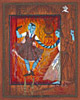 |
Featuring works by 40 artists, the Indo-American Arts Council’s show features an eclectic mix of diverse mediums employed by a group of 40 artists representing myriad styles, mediums and mind sets with one common bond - a shared Indian heritage that has been cultivated in the United States. |
On-line exhibition from May 02, 2008 |
|
Drama and Desire: Japanese Paintings from the Floating World 1690-1850 |
|
Ukiyo-e is translated as "pictures of the floating world," and generally refers to the genre of Japanese woodblock print featuring motifs of seasonal landscapes, historic tales, the theater, and the high-class red-light district these themes being themselves examples of the floating world, the impermanence of life. This exhibition features what has been called the finest collection anywhere in the world. |
|
On-line exhibition from March 05, 2008 |
|
Mukti Singh Thapa is one of Nepal's foremost traditional painters and one of the principal originators of the revived Newar style of painting. A Magar from Bandipur in the Eastern hills, Mukti Singh came to Kathmandu and began painting in the mid 1970s, and quickly became attracted to the early medieval Newar style of the 13-16th centuries. In this style he has become a master. |
|
On-line exhibition from February 15, 2008 |
|
Waves on the Turquoise Lake: Contemporary Expressions of Tibetan Art |
|
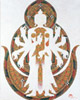 |
The first major museum exhibition to bring together contemporary Tibetan artists working both in and outside Tibet. The exhibition highlights the emerging movement of contemporary Tibetan art as it appears in Tibetan communities across the globe. The exhibition features works that address the complexity of the Tibetan diasporic experience and includes Tibetan artists from Australia, Switzerland, the United Kingdom, the United States, and India, as well as those from Tibet. |
On-line exhibition from December 12, 2007 |
|
From the 1st - 10th November, London's leading Asian art dealers, auction houses and academic and cultural institutions will unite to present an exciting programme of gallery receptions, auctions, lectures, symposia and museum exhibitions, as well as the Kensington Palace gala evening, for lovers and collectors of Asian art. |
|
On-line exhibition from October 10, 2007 |
|
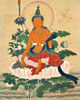 |
The sacred mountain Wutaishan, located in Shanxi Province, China, is believed to be the earthly abode of the Bodhisattva of Wisdom, Manjushri, and for a thousand years it has been a focus of transnational pilgrimage for the Chinese, Tibetans, Mongols, and Manchus alike. This is the first exhibition of its kind: combining historical and visual materials related to Wutaishan in a multidisciplinary approach, highlighting the period when the mountain reached a peak of cultural confluence in the 18th and 19th centuries. |
On-line exhibition from August 16, 2007 |
|
This short series reflects my reaction to a standard photographic representation of Tibet as something static and objectively distant. By focussing on Lhasa I mean to emphasise the contemporary urban nature of a city that is too-often associated with a mysterious past. As with other cities, Lhasa provides constant and sometimes intimate contact with strangers – people who we may or may not see tomorrow – and these photos, all taken in public spaces or accessible venues, deal with that specifically urban experience. - Kabir Mansingh Heimsath |
|
On-line exhibition from June 26, 2007 |
|
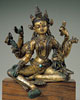 |
The 3rd BRUSSELS ORIENTAL ART FAIR, B.O.A.Fair asbl, June 9th to June 15th 2007, an event created by international specialists in Oriental Art. The aim of the galleries subscribing to the event is to share their knowledge with the visitors and to promote the understanding of Oriental Art. |
On-line exhibition from May 25, 2007 |
|
Awakenings presents Japanese (Zen) and Chinese (Chan) Buddhist art, featuring a Japanese National Treasure and major cultural assets, and including rare loans from museum and private collections in Japan, North America, and Europe. Exploring the artistically singular yet still poorly understood tradition of figure painting in Zen Buddhist communities in medieval Japan, the exhibition features forty-seven superlative Chinese and Japanese works of painting, ranging from the 12th to 16th century. |
|
On-line exhibition from May 07, 2007 |
|
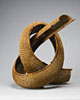 |
Celebrating the Next Generation of Japanese Bamboo Artists was a reception and brief exhibition held in the North Court of the Asian Art Museum from February 15–March 18, 2007, in conjunction with the Masters of Bamboo exhibition. This display in North Court featured one basket each from ten artists considered to be a part of the next generation of leading bamboo artists. Most important were the artists themselves, who were present at the event. |
On-line exhibition from April 17, 2007 |
|
Masters
of Bamboo: Japanese baskets and sculpture in the Cotsen
Collection |
|
Masters of Bamboo: Japanese Baskets and Sculpture in the Cotsen Collection is an exhibition that draws on the richness and breadth of the approximately nine hundred works Mr. Lloyd L. Cotsen generously donated to the Asian Art Museum in 2001. These works comprise the largest public collection of Japanese bamboo art in the world. |
|
On-line exhibition from April 04, 2007 |
|
The survival of nomads on the Tibetan Plateau and Himalaya provides examples of nomadic practices that were once widespread throughout Asia and Africa, but are now increasingly hard to find. As such, these portraits of nomads offer a rare glimpse into a way of life that is rapidly vanishing. |
|
On-line exhibition from February 09, 2007 |
|
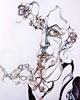 |
Julie Rauer’s approach to painting is an intriguing synthesis of disparate influences; an amalgam of a lifetime’s pursuit. Early training in Chinese calligraphy and brush painting sparked her lifelong passion for Asian art with its essential, reductive qualities. In tandem with her interest in the Asian aesthetic, particularly Chinese hanging scrolls and Japanese Edo period woodblock prints, she developed a fascination for natural objects and organic structures.. |
On-line exhibition from November 17, 2006 |
|
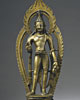
From the 2nd-10th November, London's leading Asian art dealers, auction houses and academic and cultural institutions will unite to present an exciting programme of gallery receptions, auctions, lectures, symposia and museum exhibitions, as well as the Kensington Palace gala evening, for lovers and collectors of Asian art. |
 |
On-line exhibition from October 26, 2006 |
|
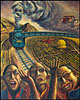 |
20 Artists from Tibet's capital interpret the arrival of the Beijing-Lhasa rail service in an exhibition first shown at Peaceful Wind, Santa Fe, New Mexico, USA September 22 through October 15, 2006. In 2004 Peaceful Wind and the artists of the Gedun Choephel Artists Guild decided to collaborate on a group of paintings to mark this important event in Tibet's history. This exhibition is the result. |
On-line exhibition from October 06, 2006 |
|
This important exhibition at the Villa Hügel, Essen, will be showing a large number of old religious artworks from the treasuries of Tibetan monasteries. Some of these works date back 1500 years and the majority have never before left Tibet; never before have religious and cultural objects from a variety of Tibetan monasteries and a provincial museum in Central Tibet (i.e. outside the capital of Lhasa) been shown in an exhibition. |
|
On-line exhibition from September 06, 2006 |
|
 |
The second BRUSSELS ORIENTAL ART FAIR, B.O.A.Fair asbl, June 9th to June 15th 2006, an event created by international specialists in Oriental Art. The aim of the galleries subscribing to the event is to share their knowledge with the visitors and to promote the understanding of Oriental Art. |
On-line exhibition from May 19, 2006 |
|
Warriors
of the Himalayas: Rediscovering the Arms and Armor of
Tibet |
|
This exhibition is the first detailed survey of traditional armor and weapons from the Tibetan plateau. Until recently, these objects were understood to represent only a few generic types and were dismissed as archaic and simplistic. A more careful appraisal, however, reveals a far wider and surprisingly nuanced variety of styles, decorative techniques, materials, dates, and cultural influences that have been previously unknown or simply overlooked. |
|
On-line exhibition from May 02, 2006 |
|
MYTHS AND RITUALS: Myth and ritualism in art from India to China |
|
This exhibition focuses on the mythological and ritual elements in Oriental sculpture through the analysis of a group of very ancient works. For instance, one can see the transition from the cult of the Mother Goddess to the formation of a more complex religion in some terracotta artifacts dating from the 2nd c. BC; and some Chinese wood and terracotta figures dating from the 4th-3rd c. BC can be interpreted as an archaic example of the cult of ancestors, one of the foundations of Chinese culture. |
|
On-line exhibition from November 23, 2005 |
|
 |
From the 3rd-12th November, London's leading Asian art dealers, auction houses and academic and cultural institutions will unite to present an exciting programme of gallery receptions, auctions, lectures, symposia and museum exhibitions, as well as the Kensington Palace gala evening, for lovers and collectors of Asian art. |
On-line exhibition from October 20, 2005 |
|
Edge of Desire: Recent Art in India focuses on contemporary Indian art of the past decade, a period marked by enormous social, cultural, and economic change that counted political violence and rapid economic growth brought about by liberalization and foreign investment among the most significant. These issues and others form the context for the works of the thirty-eight artists in this exhibition, co-organized by the Asia Society and the Art Gallery of Western Australia. |
|
On-line exhibition from September 13, 2005 |
|
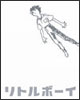 |
Little Boy examines the culture of postwar Japan through its arts and popular visual media. Focusing on the youth-driven phenomenon of otaku (roughly translated as “geek culture” or “pop cult fanaticism”), Takashi Murakami and a notable group of contributors explore the complex historical influences that shape Japanese contemporary art and its distinct graphic languages. |
On-line exhibition from July 28, 2005 |
|
Cast for Eternity: Bronze Masterworks from India and the Himalayas in Belgian and Dutch Collections |
|
The selection of bronze sacred images in the exhibition Cast for Eternity represents an important reflection of the cultural heritage of India, Sri Lanka, the Himalayas, and China (via Tibet), countries and regions which have occupied their own significant places in the art history of the world for over 2000 years. |
|
On-line exhibition from July 15, 2005 |
|
Magic & Mystery in Taos: The Trammell & Margaret Crow Collection of Asian Art |
|
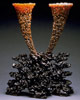 |
Assembled by the Crow family over the past 30 years, the collection features art from China, Japan, India, Southeast Asia and the Himalaya region. The objects selected for the Harwood exhibition cover a period spanning three thousand years and include a Bronze bell (Chun Yu) from the Warring States Period ca. 5th – 3rd century B.C. |
On-line exhibition from June 23, 2005 |
|
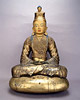
Tibet: Treasures From The Roof Of The World ofdfers a rare glimpse into a culture both opulent and deeply spiritual. The exhibition will feature objects drawn exclusively from collections from the Dalai Lama's magnificent residence at the Potala Palace, as well as the recently established Tibet Museum in the magical Tibetan capital of Lhasa. Exhibited at: The Bowers Museum (10/12/03 - 5/15/04); Houston Museum of Natural Science (10/16/04 - 1/8/05); Rubin Museum of Art, New York (2/19/05 - 5/19/05); Asian Art Museum of San Francisco (6/12/05 - 9/11/05) |
 |
On-line exhibition from August 04, 2003 (Last update: June 10, 2005) |
|
Tibetan Portraits: Rare 19th century photography from the Himalayas |
|
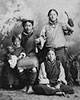 |
As early as the 1860s and especially in the 1880s, early British photographers such as Bourne, Shepherd, Parr, and others established contact with Himalayan peoples in the regions close to India. Remarkable portraits of high-mountain peoples of various ethnicities and backgrounds were made by these photographers, some in their studios and others at places of pilgrimage in northern India and Nepal. |
On-line exhibition from June 02, 2005 |
|
The first BRUSSELS ORIENTAL ART FAIR, B.O.A.Fair asbl, June 8th to June 12th 2005, an event created by international specialists in Oriental Art. The aim of the galleries subscribing to the event is to share their knowledge with the visitors and to promote the understanding of Oriental Art. |
 |
On-line exhibition from May 26, 2005 |
|
Providing For the Afterlife: ‘Brilliant Artifacts’ From Shandong |
|
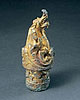 |
Exhibited in the United States for the first time, these mingqi, “glorious vessels” or objects made for burial with the dead, whisper of the desperate need to predict ephemeral journeys and wrangle the unknown into the familiar. Several pieces are culled from arguably one of the most significant archaeological discoveries of the past decade, the tomb of—in all probability—the Western Han dynasty (206 BCE-CE 9) king of the Jinan Kingdom, Liu Biguang. |
On-line exhibition from May 09, 2005 |
|
Organized by the Asian Art Museum in conjunction with the National Museums of Thailand, The Kingdom of Siam sheds light on a one of the region’s greatest, but least known, cultures. The exhibition is curated by classical Thai art authority Dr. Forrest McGill, the Asian Art Museum’s Chief Curator and Wattis Curator of South and Southeast Asian Art; and co-curated by M. L. Pattaratorn Chirapravati, Assistant Professor of Asian Art, California State University, Sacramento. |
 |
On-line exhibition from April 25, 2005 |
|
 |
Asianart.com presents a special on-line exhibition for the annual spring Asian Art week in New York City, featuring items from the International Asian Art Fair and Arts of Pacific Asia Show exhibitors and other dealers and galleries taking part in the events of Asia Week New York. Asianart.com galleries are listed first, then other galleries and dealers. |
On-lineexhibition from March 19, 2005 |
|
Morning in the Barkhor: Photographs of Tibet by Amina Tirana |
|
The Jokhang, Tibetan Buddhism's most sacred temple, stands broad and low in the heart of Lhasa, the locus of daily visits and once in a lifetime pilgrimages. From earliest dawn to last light, Tibetans arrive from nearby neighborhoods and the region's far mountains to worship at the Jokhang. They circumambulate the temple on a sacred path known as the kora, burn juniper as incense, leave offerings, and perform other rituals in order to earn religious merit for the next life. |
 |
On-line exhibition from February 09, 2005 |
|
When Gold Blossoms: Indian Jewelry from the Susan L. Beningson Collection |
|
 |
When Gold Blossoms presents the Susan L. Beningson collection of Indian jewelry. The focus of the collection is gold jewelry from the south of India, in particular, jewelry for deities and women. It is a collection based not on academic principle but on the pleasures of seeing, touching, and wearing. When Gold Blossoms gives us the chance to share in the wearers' pleasures with careful, close viewing. |
On-line exhibition from December 01, 2004 |
|
In the Realm of Gods and Kings: Arts of India: Selections from The Polsky Collection and The Metropolitan Museum of Art |
|
Cynthia and Leon Polsky have a special relationship to India and its culture. The overbearing crowds and overwrought colors and smells of India can overwhelm or even assault the senses, but for the Polskys, these elements never obscure the inner worldview of India that they so cherish. This project then, is less about the mechanics of Indian art history as about sharing the Polskys' deep affection for the culture. |
 |
On-line exhibition from November 29, 2004 |
|
 |
These three exhibitions at the Israel Museum in Jerusalem explore contemporary and historical currents in Japanese art and culture. These exhibitions are part of the museum's year-long celebration of world culture. The Israel Museum is the largest cultural institution in the State of Israel and is ranked among the leading art and archaeology museums in the world. |
On-line exhibition from November 19, 2004 |
|
Splendors of China’s Forbidden City : The Glorious Reign of Emperor Qianlong |
|
Emperor Qianlong ruled for 60 years (1736–1795), during China’s last imperial dynasty, the Qing dynasty. His reign was longer than any other emperor in Chinese history apart from his grandfather, Kangxi. The emperor is best known to art historians as a collector who amassed the largest collection of art known up to that point in China. |
 |
On-line exhibition from October 29, 2004 |
|
 |
From the 4th-12th November, London's leading Asian art dealers, auction houses and academic and cultural institutions will unite to present an exciting programme of gallery receptions, auctions, lectures, symposia and museum exhibitions, as well as the Kensington Palace gala evening, for lovers and collectors of Asian art. |
On-line exhibition from October 24, 2004 |
|
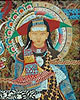
Tibet is in a state of flux and change that impacts all of its inhabitants and cannot help but catch the notice of the many visitors and tourists that come in increasing numbers to the high plains of this magical land. Tibet's artists are at the cutting edge of this evolution: it is they who are constantly dealing with the contradictions and rapid change of their treasured home. The sense of cultural tension and excitement that is at the heart of life in Lhasa is reflected in the vibrant paintings created by the artists featured in the show. |
 |
On-line exhibition from October 01, 2004 |
|
Kailas: Manasarovar & Tibet Photographs by Manoj Kheradia |
|
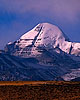 |
For well over a thousand years, pilgrims have journeyed here to pay homage to the mountain's mystery, circumambulating it in a ritual that continues to this day. Their faith proclaims that not just the mountain's ice - capped summit but the entire region is the abode of the Gods. |
On-line exhibition from June 07, 2004 |
|
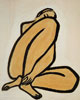
Sanyu: l'écriture du corps |
|
The power of Sanyu's painting to move us today is a testament to a particular kind of sensitivity and expressive talent. The historical and cultural circumstances that almost eradicated Sanyu from the history of Chinese art, moreover, were transformed by the 1980s and 1990s, and have made it possible to revive his reputation. |
 |
On-line exhibition from May 24, 2004 |
|
|
Sadhus: The Great Renouncers: Photographs by Thomas Kelly |
|
 |
The ascetic Sadhu ritual practices (sadhanas), involving demanding yoga postures and colorful body imagery, are captured by Thomas Kelly whose work encompasses a span of two decades. In his own words, Thomas tells what it has been like to move through the world of the sadhus, witnessing their ritualized practices, following their endless pilgrimage, and dancing with the humor and danger this has entailed. |
|
On-line exhibition from April 22, 2004 |
|
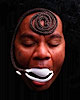
Paradise Now? Contemporary Art From the Pacific takes as its departure point the popular perception of the Pacific as a paradise, a worn cliché refreshed seasonally by tourist operators, drinking water companies, pearl traders, and other enterprises. While acknowledging the persistence of such perceptions of their region, the fifteen artists included in this exhibition provide an alternative, more complex vision of the Pacific--one based in the experience of day-to-day life in the region. |
 |
|
On-line exhibition from April 06, 2004 |
|
 |
Asianart.com presents a special on-line exhibition for the annual spring Asian Art week in New York City, featuring items from the International Asian Art Fair and Arts of Pacific Asia Show exhibitors and other dealers and galleries taking part in the events of Asia Week New York. Asianart.com galleries are listed first, then other galleries and dealers. |
|
On-line exhibition from March 08, 2004 |
|
For nearly five centuries, arts and culture flourished under the patronage of the Goryeo aristocracy, whose taste for luxury and refinement was unprecedented in the history of the country. Goryeo Dynasty features 113 rare and superb artworks from this period—many on view in the United States for the first time—including extraordinary celadon ceramics, Buddhist paintings and sculptures, illustrated sutras, ritual implements, metal crafts, and lacquer wares. |
 |
On-line exhibition from November 04, 2003 |
|
 |
body.city takes urban spaces as a point of departure for exploring contemporary India; these spaces reflect the complex interrelationships between globalization, local traditions and redesigned living spaces. This is the place where contemporary art production, spiritual body techniques, folk art and crafts, cinema and pop coexist. The cities are an ideal place to observe how traditional approaches are translated into contemporary forms of expression, and how they infiltrate and affect cultural practice in the "West". |
On-line exhibition from October 23, 2003 |
|
From the 6th-14th November, London's leading Asian art dealers, auction houses and academic and cultural institutions will unite to present an exciting programme of gallery receptions, auctions, lectures, symposia and museum exhibitions, as well as the Kensington Palace gala evening, for lovers and collectors of Asian art. |
|
On-line exhibition from October 10, 2003 |
|
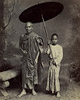 |
In the decades following the invention of photography in 1839, European photographers traveled to Asia, documenting cultures and landscapes with a realism previously unknown. Employing cumbersome large format cameras and delicate paper or glass plate negatives, these intrepid photographers captured the first images of Japan after it had been closed to the West for over 200 years; the first images of the forbidding Himalayan Mountain passes; the first images of bound-footed women and of grand golden temples. |
|
On-line exhibition from August 13, 2003 |
|
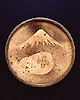
The first exhibition outside of Japan to explore such a broad range of production, Quiet Beauty surveys technical and artistic developments in folk art ceramics made between about 3000 B.C. and about 1990. The exhibition encompasses prehistoric beakers; medieval storage jars; bowls, bottles, and plates from many eras and localities; and late-twentieth century creations based on traditional forms. |
 |
|
On-line exhibition from May 21, 2003 |
|
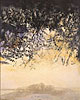 |
Zao Wou-ki found his distinctive voice and vocabulary in his mid-thirties, having by that time lived in Paris for a decade. By the end of 1957 he had committed to abstraction, on terms which from the beginning set him apart from the other artists of his circle-Mitchell, Riopelle, Vieira da Silva, Soulages-as much as from his great supporter Henri Michaux. His cypher-like signature, to which he has remained faithful for over fifty years, gives his first name in Chinese characters and his last in a Western orthography. |
|
On-line exhibition from April 30, 2003 |
|
Asianart.com presents a special on-line exhibition for the annual spring Asian Art week in New York City, featuring items from the International Asian Art Fair and Arts of Pacific Asia Show exhibitors and other dealers and galleries taking part in the events of Asia Week New York. Asianart.com galleries are listed first, then other galleries and dealers, in alphabetical order. |
 |
|
On-line exhibition from March 12, 2003 |
|
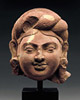 |
'Window of the Sacred World' is the title of this exhibition, presenting a fine selection of authentic art of India, The Himalayan regions and Southeast Asia. Focusing only on the highest artistic quality, it aims to represent the beauty and spirituality of sculpture through the camera's eye; a modest contribution towards the understanding and appreciation of Asian religious art which still contains many secrets. |
|
On-line exhibition from December 12, 2002 |
|
Suspended in an aerial rather than earthly dimension, in a world without gravity, out of space and time, Indian sculptures chiefly represent male and female deities who are conceptually devoid of physical qualities, but who must acquire them in order to make themselves intelligible to man. |
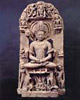 |
|
On-line exhibition from November 26, 2002 |
|
 |
From the 7th-15th November, London's leading Asian art dealers, auction houses and academic and cultural institutions will unite to present an exciting programme of gallery receptions, auctions, lectures, symposia and museum exhibitions, as well as the Kensington Palace gala evening, for lovers and collectors of Asian art. Inside please find a selection of offerings from some of London's leading galleries, including Asianart.com galleries and other members of Asian Art in London. |
|
On-line exhibition from October 23, 2002 |
|
Tibet: Mountains and Valleys, Castles and Tents is organized by The Newark Museum to showcase its great historical and archival treasures of Tibetan culture, considered the finest in the Western Hemisphere. For the first time, many of these objects are being shown outside the Museum for the first time. |
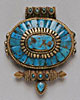 |
|
On-line exhibition from September 09, 2002 |
|
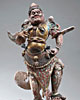 |
Already in Neolithic times, graves had been furnished with vessels filled with grain, water, and wine to nourish the spirit of the deceased. By the Shang and Zhou dynasties, elaborate funerary ceremonies had evolved that required the use of jade implements and ritual bronze vessels. Burial figurines of wood were used in the south during the Warring States period, perhaps as substitutes for the sacrificial victims of earlier times. |
|
On-line exhibition from August 14, 2002 |
|
Organized by Jean-Paul Desroches, assisted by Philippe Koutouzis, the exhibition at the Musée Guimet is a unique opportunity to bring to a wide audience, an artist who, as previously shown at the Musée de Pontoise, deserves to join the ranks of the great Chinese creators of the 20th Century. |
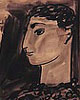 |
|
On-line exhibition from June 07, 2002 |
|
 |
Asianart.com presents a special on-line exhibition for the annual spring Asian Art week in New York City, featuring items from the New York Arts of Pacific Asia Show exhibitors and other dealers and galleries taking part in the events of Asia Week New York. |
|
On-line exhibition from March 15, 2002 |
|
|
Desire & Devotion: Art from India and the Himalayas in the Ford Collection |
|
The collection of John and Berthe Ford is one of the most important private holdings of Indian and Himalayan art in the world. Certain objects have been widely exhibited, such as the "Green Tara", a painting executed in India around 1100 for a Tibetan patron and recognized as both a masterpiece and a cornerstone for the study of Tibetan painting. Other works have never been publicly shown. This exhibition brings together works from both India and the Himalayas, demonstrating the range and depth of the Ford collection. |
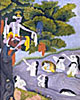 |
|
On-line exhibition from January 28, 2002 (Last update: December 11, 2002) |
|
|
Netsuke: From the Toledo Museum of Art, Ohio |
|
 |
Japanese artists cleverly invented the miniature sculptures known as netsuke to serve a very practical function. Traditional Japanese garments - robes called kosode and kimono - had no pockets. Men who wore them needed a place to keep personal belongings. The elegant solution was to place them in containers (called sagemono) hung by cords from the robes' sash. |
|
On-line exhibition from December 03, 2001 |
|
|
Khumb Mela 2001: Photographs by Doug Brown |
|
Khumb Mela, this year (spring 2001) held in Allahabad, India, is possibly the largest pilgrimage spectacle in the world. The pictures in this exhibition were taken over a 4 day period, and are simply a reflection of one man's eye at an event that held a picture every where you looked. |
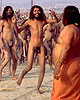 |
|
On-line exhibition from November 08, 2001 |
|
 |
From the 8th-16th November 2001, London's leading Asian art dealers, auction houses and academic and cultural institutions will unite to present an exciting programme of gallery receptions, auctions, lectures, symposia and museum exhibitions, for lovers and collectors of Asian art. Asianart.com is pleased to display details of some of the galleries and dealers participating in the event. |
|
On-line exhibition from October 28, 2001 |
|
|
China: One Hundred Treasures: The Israel Museum, Jerusalem |
|
"China: One Hundred Treasures" at the Israel Museum, Jerusalem, is the first exhibition of cultural relics from the People's Republic of China ever to be held in Israel. It is organized by the National Museum of Chinese History in Beijing and Art Exhibitions China. For the Israeli public it offers the first opportunity to become acquainted at close range with the length and breadth of China's artistic legacy through work of art, each one a masterpiece of its kind. |
 |
|
On-line exhibition from September 21, 2001 |
|
|
The Legacy of Absence: Cambodian artists confront the past |
|
 |
In an exhibition at Reyum Gallery in Phnom Penh, ten artists confront the Khmer Rouge legacy through their work. One of the goals of the exhibition, held under the initiative of the Legacy Project, a U.S.-based foundation that draws together artists from countries that have suffered mass national traumas or genocides, is to open a space for reflection that will perhaps be one small step in coming to terms with the terrible events of Cambodia's recent past. |
|
On-line exhibition from August 01, 2001 |
|
|
Taoism and The Arts of China: Asian Art Museum, San Francisco |
|
Exploring the conceptual and artistic achievements of the Taoist tradition, Taoism and the Arts of China features 150 rare works ranging in date from 500 BCE to 1800 CE, including an extraordinary array of paintings, sculptures, calligraphy, textiles, ritual objects, and scholar's books. Taoism and the Arts of China is organized by the Art Institute of Chicago and is accompanied by a 415-page catalogue. |
|
|
On-line exhibition from March 22, 2001 |
|
|
The Theyyams of Malabar: Photographs by Pepita Seth |
|
 |
The fantastical and the real, the exotic and the ordinary, the extravagant and the simple, all seem to merge seamlessly in British-born photographer Seth's work, which focuses exclusively on Hindu rituals in India's southern state of Kerala. While her subject might be the ultimate exotic, her direct approach to towards it, her emphasis on giving the whole picture and not just the sensational and the dramatic, lends a unique down-to-earth flavor to her photographs. |
|
On-line exhibition from February 26, 2001 |
|
|
Contemporary Art and Identity: South Asian Diaspora in North America |
|
Contemporary Art and Identity: South Asian Diaspora in North America brings together eleven visual artists from Canada and the USA who have exhibited with SAVAC and the Desh Pardesh Festival/ Conference in Toronto. The works resist the homogenizing tendencies of the dominant South Asian identity, and hopefully, facilitate a rich and textured reading of the contemporary views of the artists. |
 |
|
On-line exhibition from December 19, 2000 |
|
|
Peace of Mind: Indian, Himalayan, and Southeast Asian Art |
|
 |
Marcel Nies has specialised in Oriental Art since 1972. Composed of a diversity of art, his collection includes sculptures, paintings, and ritual objects from India, the Himalayan mountains, and South-eastern Asia. Featured here are the 25 fine works that make up his exhibition. The collection is obtained only from the finest quality works of art, a selection based on originality, rarity, condition, and above all the highest level of artistic taste. |
|
On-line exhibition from December 01, 2000 |
|
|
Behind The Himalayas: Paintings of Mustang by Robert Powell |
|
Rob paints the language man and nature invented together to communicate on the Tibetan plateau. The paintings of the shrines to the gods, the gates of the ancestors, the caves expanded and arranged by man in a complex system of floors, galleries and ladders, show that he too has come to understand the game between man and nature at at these altitudes. |
 |
|
On-line exhibition from November 15, 2000 |
|
|
Hirado Porcelain of Japan: From the Kurtzman Family Collection |
|
 |
The works in the exhibition, from the Kurtzman Family Collection, were produced in the Hirado fief, located in Kyushu, Japan. Hirado refers both to the name of the fiefdom and to the island off Kyushu that was part of the ruler's territory. Close to the Korean peninsula, Hirado was a natural locus for international shipping and trade between Japan, Korea and China. |
|
On-line exhibition from November 14, 2000 |
|
|
Family Ties in Asian Textiles: Introduction by Reiko Brandon, Curator of Textiles |
|
Children's costumes cultivated in the traditional societies of China and Japan are extraordinary for their fine quality and deep symbolic meanings. While these garments have a practical function, they vividly symbolize the cultural heritage, including the religions and family traditions, of the community. |
 |
|
On-line exhibition from November 06, 2000 |
|
|
Paintings of Ladakh: Simon Pierse |
|
 |
"The mountains are landscape - and they are a state of mind. Perhaps nowhere more so than in Ladakh, the high plateau sited between the northern Karakorum and in the rain shadow of the Great Himalaya. La means mountain pass, Ladakh is the land of the mountain passes and was once part of the great trade routes that criss-crossed the mountains of India, China and Tibet." From the Introduction by Marina Vaizey. |
|
On-line exhibition from April 17, 2000 |
|
|
Sacred Visions: Early Paintings from Central Tibet |
|
It is a great honor for Asianart.com to host a selection of images and captions from the exhibition Sacred Visions. This epochal exhibition of more than 60 early and precious Tibetan paintings is unprecedented, and considerably expands our knowledge of these remarkable paintings. Not all of the painting from the exhibition are shown in this selection, but this on-line exhibition will be updated in the future to incorporate other fine examples from Institutions and private collections not offered in this selection. |
 |
|
On-line exhibition from March 1, 2000 |
|
|
MAITRES DE L'ENCRE: masters of ink |
|
 |
This exhibition is exclusively devoted to the ink paintings of three masters (Chang Dai-Chien, T'ang Haywen & Zao Wou-ki) who have in common an acquired knowledge of Western culture. It is remarkable that while this experience enabled them to « exist » on the modern art scene it also never completely diverted them from the Chinese traditional medium. |
|
On-line exhibition from January 10, 2000 |
|
|
The Sculptural Heritage of Tibet: Buddhist Art in the Nyingjei Lam Collection |
|
The Nyingjei Lam collection, which was exhibited at the Ashmolean Museum in Oxford England from 6 October - 30 December 1999, is an important and aesthetically select private collection of Indian, Nepalese and Tibetan bronzes of Tibetan provenance. The on-line exhibition includes many of the featured pieces from the catalogue, with extensive captions by David Weldon and Jane Casey Singer. |
 |
|
On-line exhibition from January 03, 2000 |
|
|
Janakpur Women's Development Center: Maithil Paintings, an Exhibition |
|
 |
Janakpur is now famous for its colorful paintings on paper, yet this "tradition" began in the first days of the JWDC when, under a grant from the Ella Lyman Cabot Trust, a talented group of women were selected to learn how to transfer their wall designs to paper. They travelled from their villages to the Center in Janakpur where, without losing their originality, they developed skills in composition as well as in the use of color and line. |
|
On-line exhibition from July 25, 1999 |
|
|
Earth Door, Sky Door: Paintings of Mustang by Robert Powell |
|
"He had just seen his artistic imagery translated into reality while wandering in the deserted and multicoloured plateau of Mustang where the mountains are eroded sand and turn into shades of red, blue and green, he had seen the simple rigour of his mental buildings in the cubic, whitish structures of the Tibetan people inhabiting Mustang, and the fantastic forms of his imagery in the windblown broken walls of its ancient monuments...." from the Introduction by Roberto Vitali |
|
|
Exhibition in the Sackler Gallery, Washington DC, on-line from May 17 1999 |
|
|
Survival of the Spirit, Tibet a Decade of Images: Nancy Jo Johnson |
|
 |
Survival of the Spirit, Tibet a Decade of Images is a culmination of photographic images by Nancy Jo Johnson that records the tragic conditions inside Tibet and the triumphant survival of the Tibetan people in exile. It is an inspirational, spiritual voyage that ties together the many strands of this complex story. |
On-line exhibition from August 31 1998 |
|
Himalayan Visions: Philip Sugden |
|
An exhibition of drawings from the Himalaya that visually and metaphysically explores its profoundly spiritual geography, both natural and human. "In the Himalaya and on the Tibetan Plateau, one is confronted in a profound way with the enigmatic nature of being alive... and as an artist, this experience is important in the process of creation; after all, emptiness is the womb from which form becomes manifest and through which the aesthetic experience becomes aware of itself" - from the Artist's Statement. |
|
On-line exhibition from June 12 1998 |
|
|
The Gods are Leaving the Country: Jürgen Schick |
|
|
"The Gods are Leaving the Country" is based on Jürgen Schick's pioneering work on Art in Nepal, originally published in German and recently in English (Orchid Press Publishing Limited, 1997). Largely due to his work, several important sculptures were recently returned to Nepal by a private collector. |
|
On-line exhibition from 1998 |
|
 |
A new exhibition at the University of Pennsylvania Museum of Archaeology and Anthropology opening March 14, 1998, features 160 selections of extraordinary "scholar art"-calligraphy, painting, and works of art in wood, lacquer, ivory, stone, horn and metal-from as early as the Zhou Dynasty (770-256 B.C.) through the Qing Dynasty (1644-1911 A.D.). The exhibition, drawn from collection of Ji Zhen Zhai ("Studio of Accumulated Treasures"), is on view through January 3, 1999. |
On-line exhibition from March 20, 1998 |
|
Tibet: Tradition and Change is an important exhibition of Tibetan art opening at the Albuquerque Museum, Albuquerque New Mexico USA on October 18th. The curator of the exhibition is Dr. Pratapaditya Pal, who has chosen a variety of previously unseen and important works of art. |
 |
On-line exhibition from October 9 1997 |
|
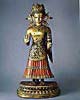 |
The Patan Museum displays the traditional sacred art of Nepal in an illustrious architectural setting. Its home is an old residential court of Patan Darbar, one of the royal palaces of the former Malla kings of the Kathmandu Valley. Its gilded door and window face one of the most beautiful squares in the world. The residential palace compound of Keshav Narayan Chowk which houses the museum dates from 1734, displacing a Buddhist monastery that is still remembered in an annual public rite on the palace doorstep. The Museum opened to the public in July 1997. |
On-line exhibition from August 10, 1997 |
|
An Exhibition of Photographs of scenes from Kathmandu, 1970-1974, by Ira Cohen, photographer and poet. The photographs are accompanied by his Kathmandu Dream Piece, the evocative incantation of Kathmandu. |
 |
On-line exhibition from June 04 1997 |
|
 |
This exhibition organized by the Indigo Gallery in Kathmandu brings to the public's view for the first time the material culture of the Tharu, the indigenous population of Nepal's lowlands along the Indian border. Living in villages located in the malaria-infested jungles of the Gangetic plains, the isolation of the Tharu in the Tarai was almost complete. Over the millennia they developed a unique culture free from the influence of adjacent India, or from the mountain groups of Nepal. |
On-line exhibition from March 26 1997 |
|
|
The Splendors of Imperial China: Treasures from the National Palace Museum, Taipei |
|
An unsurpassed survey of Chinese art treasures from one of the greatest collections in the world will be on view at the National Gallery of Art in Washington, D.C. from January 27, 1996 to April 6, 1997. Heralded by scholars and critics as the greatest exhibition of Chinese art ever presented in America, the exhibition spans over 4.000 years of Chinese history and features nearly 350 of the finest and most famous works from the National Palace Museum, Taipei. |
 |
On-line exhibition from October 14, 1996 |
|
 |
Anna Maria Rossi and Fabio Rossi present Guardians of the Sacred Word, a fascinating exhibition celebrating the splendour of Tibetan manuscript covers at the Barbara Mathes Gallery, 41 East 57th Street, New York, NY 10022, from Wednesday 18 September to Saturday 19 October 1996. |
On-line exhibition from September 15, 1996 |
|
|
Kathmandu Valley Paintings: Robert Powell |
|
Australian Robert Powell now lives in Kathmandu, Nepal, where he has settled after wide-ranging Asian travels that have taken him throughout South Asia. His precisely rendered, haunting still-lifes of the cultural environment of Nepal, Japan and Northern Pakistan have won him a following of devoted collectors and supporters. |
 |
On-line exhibition from February 26, 1996 |
|
|
Mustang: Thomas Laird and Robert Powell |
|
 |
"Thomas Laird and Robert Powell exhibit photographs and paintings of one of the last never-never lands -Mustang. Politically Mustang is part of the Kingdom of Nepal, a thumb of territory that thrusts northward into Tibet where geographically and culturally it in fact belongs. Because of its remoteness from Kathmandu, the capital, and its unsettling proximity to the fierce Khampa rebels that not long ago roamed both sides of the Nepal-Tibet border, Mustang, together with a twenty-mile wide strip of northern Nepal, was closed to foreigners for many years." from commentary by Mary Slusser. |
On-line exhibiton from December 20, 1995 |
|
An Exhibition of Indian Sculpture From 2nd century B.C. to 13th century A.D. Rossi & Rossi, London, England. The 24 works, dating from 2nd century B.C. to 13th century A.D, vividly reveal the central role religious sculpture played in Indian civilisation. India's three main faiths - Hinduism, Buddhism and Jainism developed side by side, responding to the same influences and exchanging ideas and insights. |
 |
On-line exhibiton from November 17, 1995 |
|
|
The Kora of the Jokhang Temple, Lhasa, Tibet: Amina Tirana |
|
 |
Photographs by Amina Tirana; From earliest dawn to last light, Tibetans arrive to make the circumambulation of the Jokhang to earn religious merit. Yet, the kora is also a residential area and a market, the heart of Lhasa where Tibetans live, meet, socialize and shop. |
On-line exhibiton from November 2, 1995 |
|
|
Lao Textiles Revisited: Carol Cassidy |
|
|
The Fashion Institute of Technology, June 20th - September 30th.Lao Textiles Revisited, an exhibition celebrating the handwoven silk fabrics of Carol Cassidy, an American weaver living and working in Laos, was presented at the Museum at Fashion Institute of Technology from June 20 through September 30, 1995. The show will feature more than 100 fabrics designed by Ms. Cassidy and woven under her supervision by Laotian weavers, in addition to selections from her own collection of Lao textiles dating back to the early 20th century. |
 |
On-line exhibiton from July 12, 1995 |
|
 |
The Asian Art Museum, San Francisco: July 19th - October 15th. 6/30/95 After more than five years of global planning and negotiations, the Asian Art Museum brought a landmark international exhibition to San Francisco. The result of an historic agreement between the newly democratic nation of Mongolia and the Asian Art Museum, Mongolia: The Legacy of Chinggis Khan marked the largest and most significant presentation of Mongolian art ever viewed in the United States. |
On-line exhibiton from June 30, 1995 |
|
|
Heavens' Embroidered Cloths: One Thousand Years of Chinese Textiles |
|
|
Hong Kong Museum of Art, June 23rd - September 17th. 6/20/95 "One of the greatest contributions of the Chinese towards world culture is the use of silk. Achievements were made in three areas: the production of raw material - silk - by the cultivation of the silkworm, the weaving techniques in processing the silk, and the development of the machine - the weaving loom. The simultaneous development and improvements made in all three areas throughout history enabled Chinese silks to win a world-wide reputation." from Introduction by Gerard C. C. Tsang |
 |
On-line exhibiton from June 20, 1995 |
|
 |
The Rossi Collection, London. 9/16/94 (the birth of Asian Arts). This was Asian Arts' inaugural exhibition, and marks the beginning of the journal. It is still one of our most popular exhibitions, largely because of the beauty of the images and their coherence as an ensemble. |
On-line exhibiton from September 16, 1994 (Last update: January 14, 1997) |
|
|
|